
I put the fun in function.
I’m the person on your team whose job is to make it fun.
I’m a fun expert. I look at your product the way I watch a new player at my table, and work with your team to make it easy to pick up and hard to put down.
Your product is good. People just don’t stay long enough to find out.
Sign up
A habit
Games solved these problems a long time ago. I bring the solutions over to your product.
Onboarding stalls
New users quit before they ever see what the product is good for.
Sign-ups don’t come back
They register, poke around once, and that’s it.
Long processes break midway
People start a course or a long setup with good intentions and drop it halfway.
The Principles of Gamology
After decades at the game table, these are the eight reasons I’ve seen people keep playing. The research backs them up. Every mechanic I design starts from one of them.
Agency
People want their decisions to change something.
Competence
People keep going as long as it feels doable.
Belonging
People commit to what they feel part of: a group, a guild, a brand, a character, even an object.
Flow
People stay when it’s fun and nothing gets stuck.
Open loops
The Zeigarnik effect: the brain is wired to finish what it started.
Social currency
People like to show off, and need something worth showing.
Progress
People want to see how far they have come and how much is left.
Emotional connection
People put effort into what they feel attached to.
Three things that move people, for the wrong reasons to play
Surprise rewards
A prize wheel pays out whether you played well or not, which tells you your choices do not matter. Dice belong before the turn, as in Catan. They should never be the result of it.
Artificial scarcity
FOMO works. But it’s pressure, and people get away from pressure the moment they can.
Fear that leaves the game
Losing should cost something, or winning means nothing. But the cost stays inside the game. That’s what “it’s only a game” means. A product that worries you after you close it has stopped being play.
Selected missions
I worked on each of these with the product’s team. The full decks are here, so you can see exactly how I think.
“He combines deep expertise with true product thinking, focusing on how to turn gamification into practical, scalable features that drive real engagement.”
“He was precise with deadlines, provided clear explanations, and showed great patience toward our lack of familiarity with the world of gamification.”
“His vast knowledge of board games helps him refine a game into something distinctive, fun, and true to its purpose.”
From a drop-off to a product people return to
The gamification expert your team works with.
Add gamification to what you sell, without hiring anyone for it. Your client gets a product people stick with.
The 30-minute diagnosis
Send me a WhatsApp message about your product. If it’s something I can help with, we’ll set up a free half hour. You’ll leave with:
What people ask before we start
Your number goes up.
Before we start, we agree on the one number that matters, like how many people finish onboarding or come back in week two. After launch, we check it.
How is this different from UX?
UX makes things easy to use. I work on making people want to use them again tomorrow. I work with your designers, and we need each other.
How much dev work is it?
It’s added to what your team has already built. I also rank the ideas by effort, so you can start with the cheapest one.
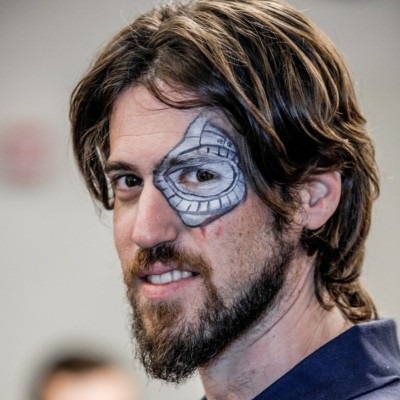
I take play seriously.
I’m Omri Avny. For eighteen years, people have paid me to run games for them. If the table gets bored, I know within a minute and have to fix it on the spot. It’s the best user testing I know.
Now I use what I learned there on products that were never meant to be games.
The longer storyYour turn.
Send me a WhatsApp message about your product. If I can help, the first half hour is free.